Bonaldo 2026: the dining area through architecture and design
In Bonaldo’s 26 collection, the dining area is explored through a selection of tables and chairs designed to work together while maintaining their own identity. The collection explores materials, proportions and the relationship between the individual pieces, creating a cohesive and balanced environment.
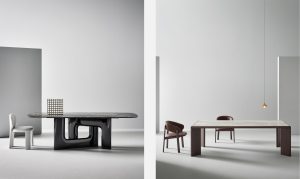
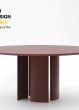
Designed by Mauro Lipparini, Flatiron table Round Top is defined by asymmetry, which shapes both the top and the base and becomes the distinctive hallmark of the design. The circular top features an irregular perimeter animated by subtle variations, while the architectural base creates a dialogue between solidity and fluidity. Inspired by New York’s iconic Flatiron Building, the table translates an architectural reference into a contemporary design language.
Liaison, designed by Spazioameno, exists between art and function. At the heart of the project lies the metaphor of an encounter, where two autonomous forms create a visual and emotional unity without ever touching. The geometry unfolds through a continuous interplay of solids and voids, while the top rests on this symbolic architecture, elevating the dialogue between the forms below.
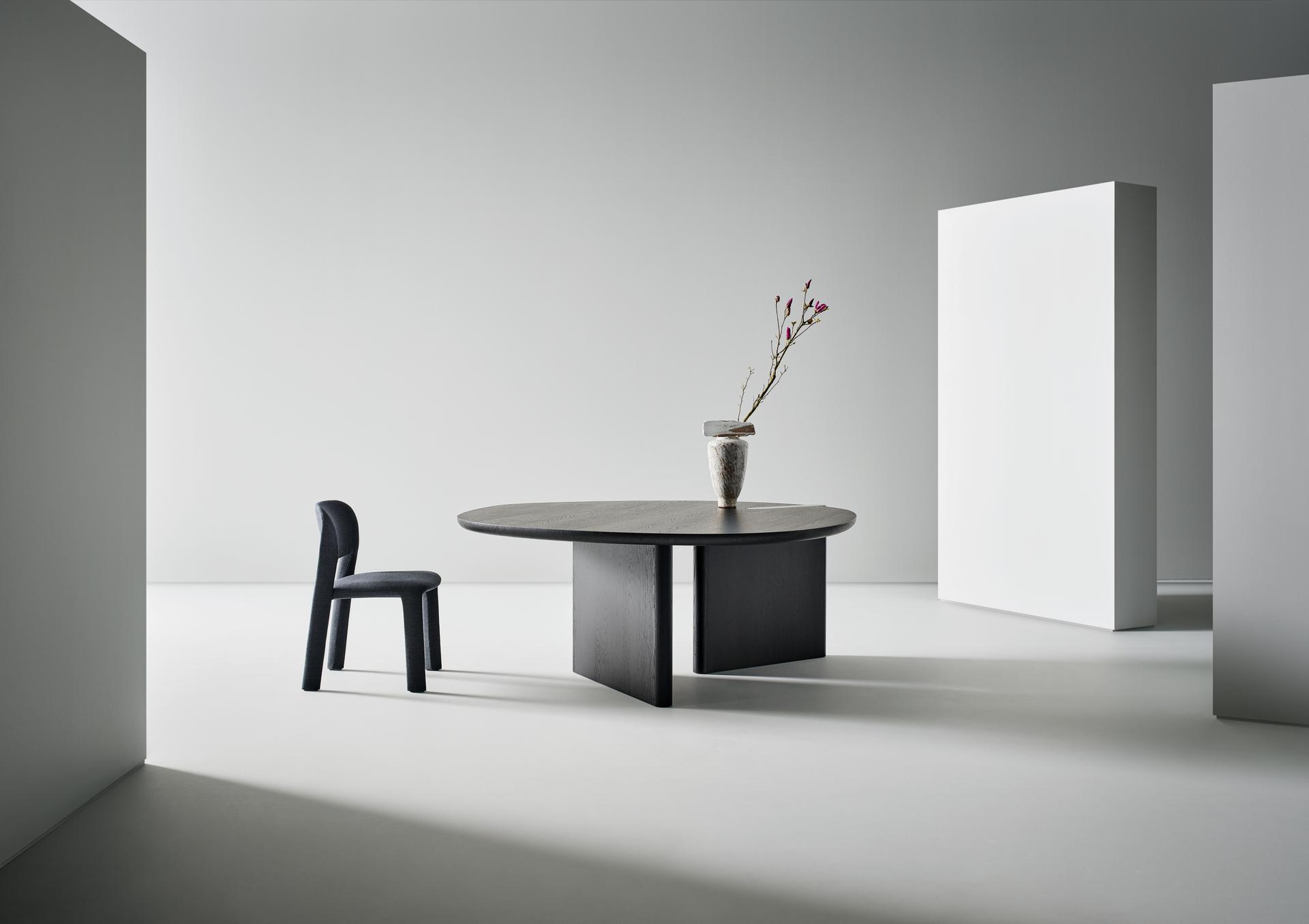
With Oshi, Gabriele and Oscar Buratti place materials at the centre of the design. Solid wood defines the legs and the edge that runs along the perimeter of the top, while ceramic or glass completes the surface in a balanced material composition. The result is a table with generous proportions, characterised by soft profiles and designed for spaces where the table plays a central role.
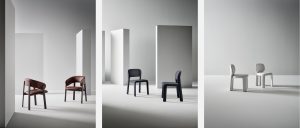
The collection is completed by three new chairs, each offering a different interpretation of comfort. Designed by Gabriele and Oscar Buratti, Alpha is defined by an enveloping upholstered backrest that tilts towards the seat and extends along its side, also integrating the function of an armrest. Artemis, by Moritz Gründel, develops from a continuous line that guides the chair’s form, combining compact volumes with generous padding for prolonged comfort. With Teia, Gino Carollo explores an idea of absolute essentiality, where the rear legs become the natural continuation of the backrest, giving the chair a dynamic and recognisable character.
You may also like
Fast in the hospitality area
It’s summer: Fast offers a wide range of aluminium outdoor furniture and waterresistant fabrics fo

Solaris Sun lounger by Fast
The Solaris sun lounger is an invitation to relax in open spaces, ideal for residential and commerci
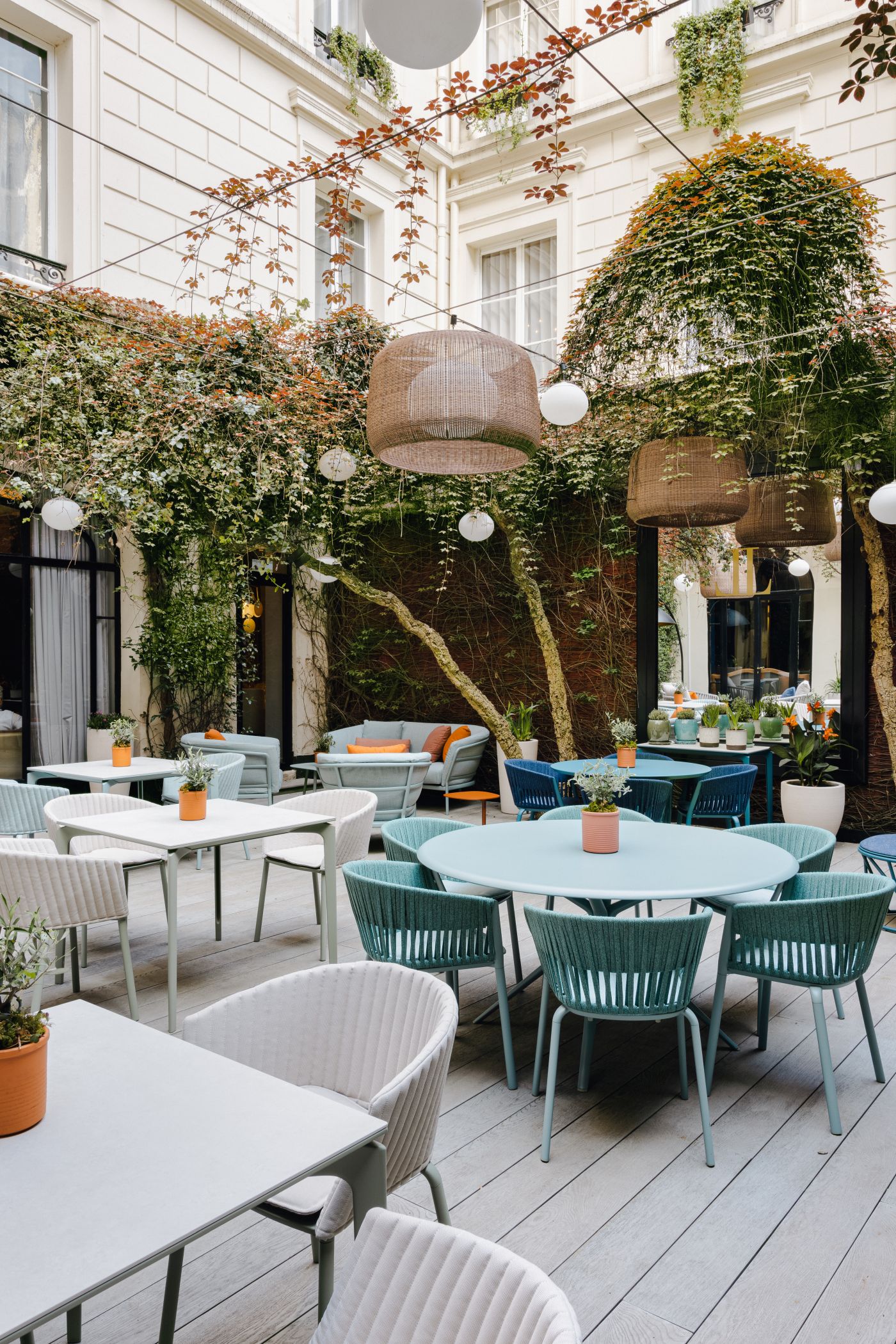
Fast furnishes the terrace of the Lancaster Hotel in Paris
Fast furniture was selected to decorate the terrace of the Lancaster Hotel in Paris with colours tha